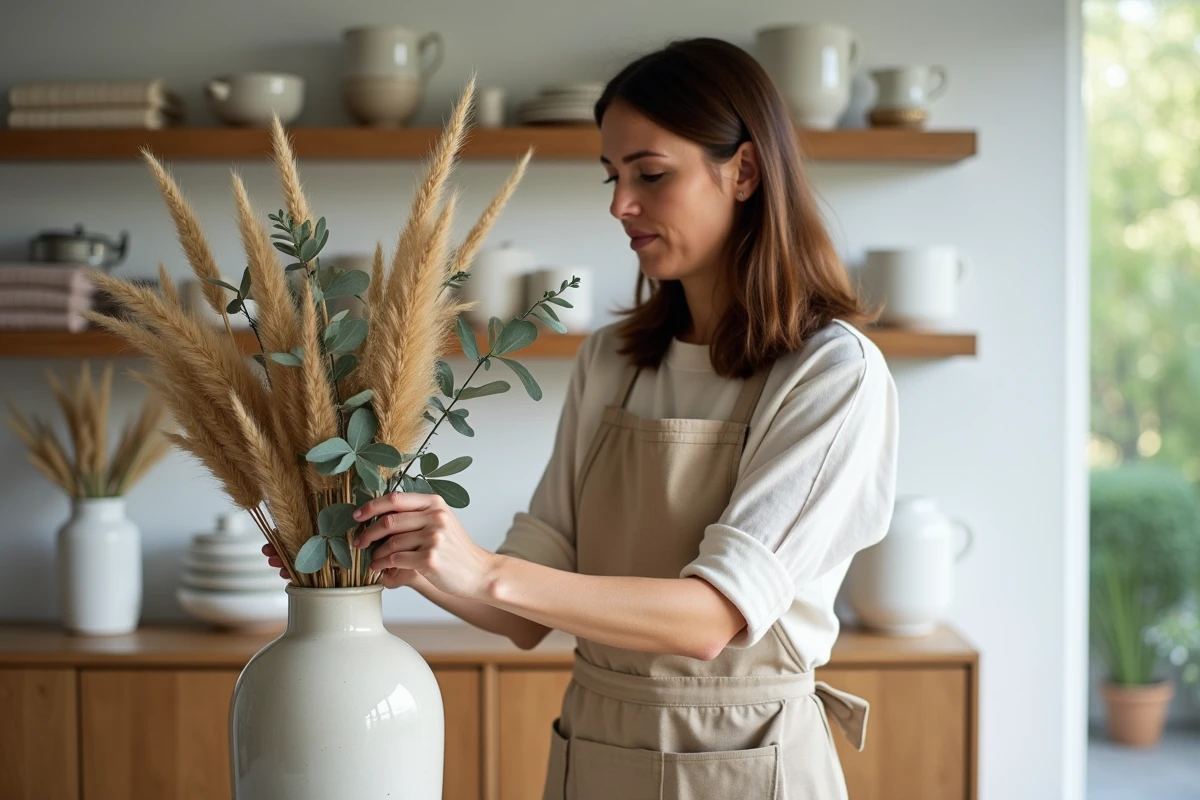
The transformation of an interior is not just about changing the color of a wall or moving a sofa. The most effective levers to enhance your home on a daily basis involve mechanisms rarely addressed in mainstream guides: thermal inertia of materials, management of natural light based on orientation, and the choice of coverings that affect acoustic comfort.
Thermal inertia and bio-sourced materials: the foundation of a comfortable interior
A sustainable interior design begins with the choice of structural and finishing materials. The RE2020, which has been gradually implemented in new constructions since 2022, has changed the game: low-carbon materials like wood and bio-sourced insulators are no longer merely an aesthetic choice but a regulatory requirement that guides the design of spaces.
Solid wood or CLT (cross-laminated timber) provides thermal inertia that naturally regulates indoor temperature. Specifically, a room dressed in wood on the floor and part of the walls retains coolness better in summer and releases accumulated heat in the evening during winter. This property directly influences the comfort felt, much more than the choice of a color palette.
We are seeing a clear increase in textiles and coverings made from natural fibers (linen, hemp, wool) in renovation projects. These materials do not just showcase a raw aesthetic: they absorb sound, regulate ambient humidity, and age without emitting volatile organic compounds. To delve deeper into these design topics, Mr. Seb’s home section regularly details experiences regarding these technical choices.
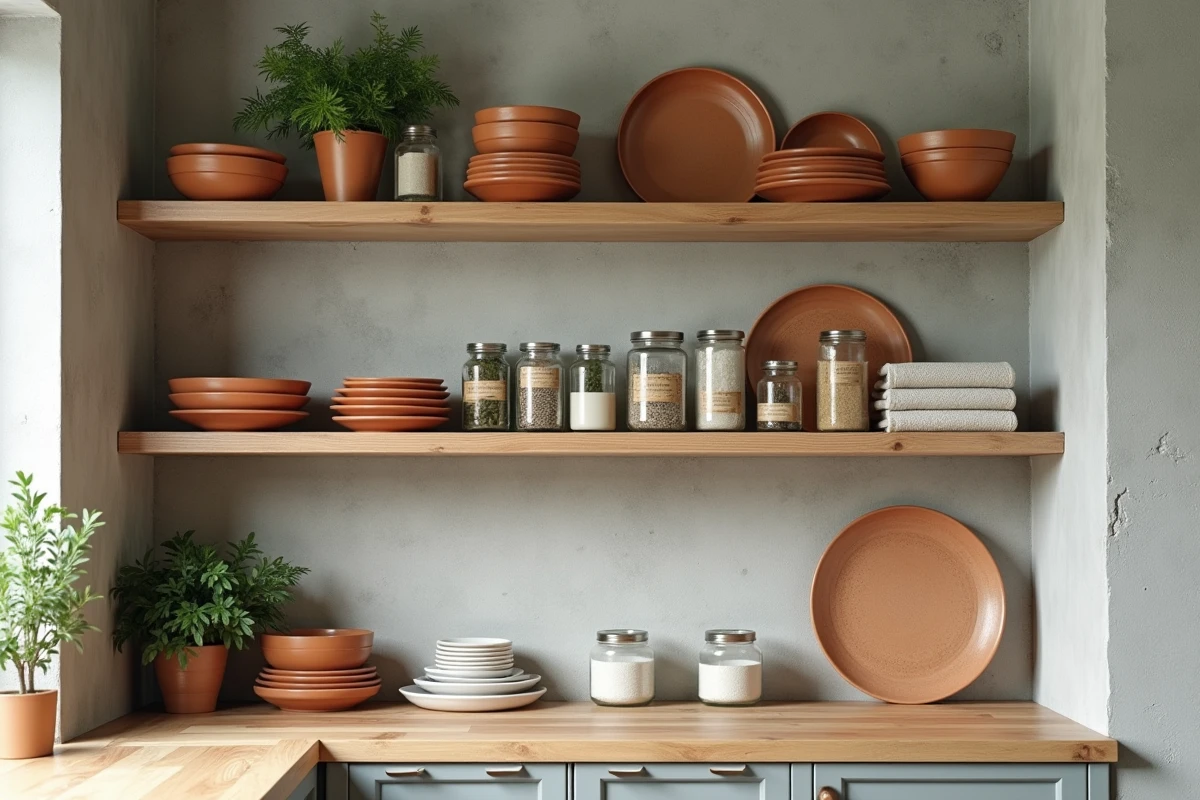
Passive solar protection: orienting decor according to the sun’s path
The management of natural light is crucial for the success of a layout far more than the furniture itself. A southwest-facing room will overheat as early as spring if no passive solar protection is in place.
Adjustable slat blinds, tightly woven sheer curtains, or solar films applied to windows filter direct sunlight without sacrificing brightness. The choice of wall colors plays a technical role here: a light shade with a high light reflectance value (LRV above 50) reflects radiation instead of absorbing it, which reduces the thermal load of the room.
Furniture arrangement and light flow
Placing a dark fabric sofa facing a south-facing bay window accelerates the degradation of the textile and creates an uncomfortable hot spot. We recommend positioning seating perpendicular to the main openings and reserving areas facing windows for UV-resistant materials: stone, ceramic, treated wood.
Indoor plants act as a natural filter when placed away from windows. Species with dense foliage (ficus lyrata, monstera) create a green buffer that diffuses light without blocking it.
Acoustic comfort: the forgotten lever of interior decoration
Post-Covid research has highlighted a direct link between the acoustic comfort of a home and the reduction of perceived stress by its occupants. Yet, the majority of articles on decoration completely ignore this dimension.
An open space (kitchen-living room) with a hard floor, smooth walls, and a flat ceiling generates a reverberation time that makes conversation tiring and amplifies every impact noise. Three categories of decorative elements correct this flaw:
- Hanging textiles (thick curtains, wall hangings in wool or felt) absorb the medium-high frequencies responsible for the feeling of noise.
- Bookshelves filled with books and objects create an irregular surface that diffuses sound instead of reflecting it back in bulk.
- Long-pile rugs or thick underlay carpets dampen impact noises (footsteps, falling objects), particularly on tiled or polished concrete floors.
Combining these three devices in a medium-sized living room radically transforms the sound atmosphere, without heavy renovations or the intervention of an acoustician.
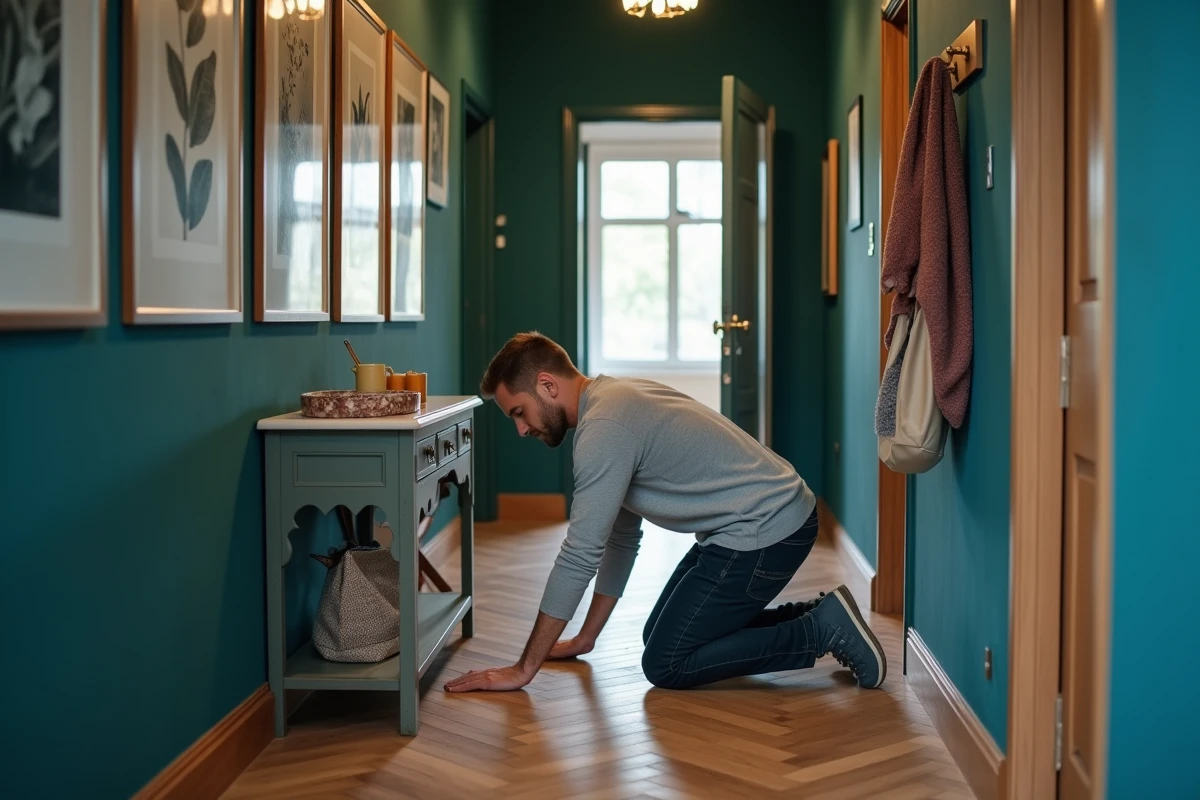
Second-hand and circular economy: renewing your decor without overconsumption
Since 2023, major French retailers (Ikea, Maisons du Monde, Leroy Merlin) have been offering buy-back and resale programs for furniture and decorative objects. This shift changes the logic of interior transformation: frequently renewing your decor no longer means accumulating.
Buying refurbished or renting furniture allows you to test a style (Scandinavian design, vintage seventies, Japanese minimalism) without a heavy financial commitment. We observe that this model particularly benefits spaces with high turnover like kitchens or living rooms, where wear and tear on seating and countertops justifies regular replacement.
Air quality and antique furniture
A rarely mentioned advantage of second-hand furniture: antique furniture has already emitted almost all of its volatile compounds. A new particle board piece emits formaldehyde for several months after purchase. A second-hand piece that is five years old or more poses virtually no such problem, improving indoor air quality without the need for an air purifier.
Layered lighting: color temperature and vertical positioning
Multiplying light sources remains a relevant but incomplete piece of advice. The technical data that matters is the color temperature expressed in kelvins. Lighting at 2,700 K (warm white) in the living room promotes relaxation. Switching to 4,000 K (neutral white) in an office or kitchen enhances concentration and the perception of food colors.
The vertical positioning of light sources alters the perception of volumes. Wall sconces placed at eye level (between 1.60 m and 1.80 m) create a grazing ambient light that highlights wall textures. A ceiling light alone flattens reliefs and produces harsh shadows under furniture.
- Lower layer (floor lamps, LED strips under furniture): marking and ambiance.
- Middle layer (sconces, table lamps): functional lighting and highlighting objects.
- Upper layer (pendants, adjustable spotlights): general lighting, to be used sparingly in the evening.
Layering these three layers in each room provides fine control over the atmosphere, from a productive morning to a calming evening. The cost remains modest: a few repositioned lamps and bulbs with the right temperature are enough to transform the perception of a space without any structural modifications.