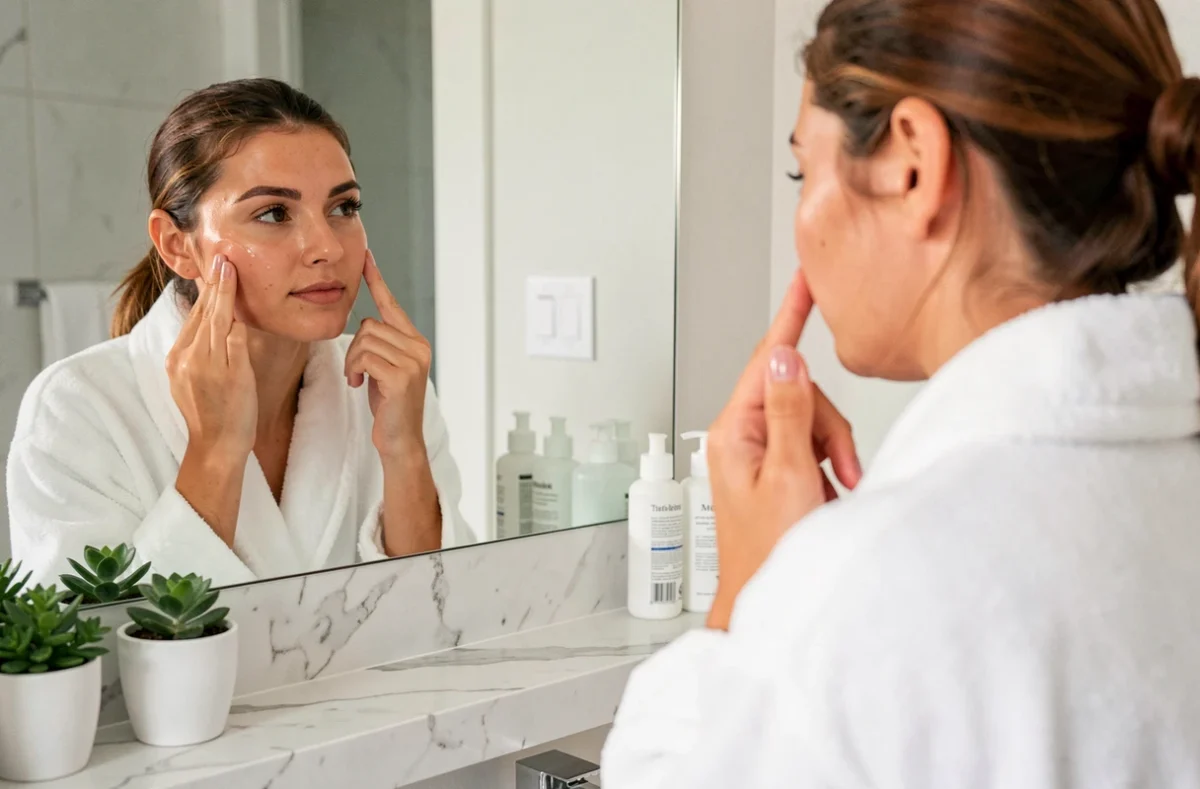
The skin barrier dictates everything. A properly hydrated, lipid-balanced stratum corneum reflects light evenly, creating the glow often wrongly attributed to a miracle ingredient. Before adding more serums, the priority is to preserve this barrier function, not overload it.
Retinol limits in Europe: what Regulation 2024/996 changes
Regulation (EU) 2024/996 caps the concentrations of retinol, retinyl acetate and retinyl palmitate in cosmetics. Products placed on the market since November 1, 2025, must comply with these limits. Non-compliant formulas still on sale must be withdrawn from the market by May 1, 2027, at the latest.
This regulatory change does not apply to retinoids prescribed by a doctor, which are governed by pharmaceutical regulations. It targets over-the-counter cosmetics, where excessive concentrations could go unnoticed.
For a beauty routine focused on a radiant complexion, the impact is clear: retinol serums sold in France will contain lower concentrations. This is not a loss of effectiveness, but a recalibration. A dermatologist interviewed by Le Parisien recommends spacing out applications and stopping use if irritation persists, rather than continuing despite burning or peeling. Irritation is not a sign that an active ingredient is working better.
In practice, we find that many reactive skin types improve their radiance simply by reducing retinol use to two nights a week and applying a restorative moisturizer on the other nights. Chasing higher concentrations has never guaranteed better results for your complexion.
To explore the topic further and tailor your skincare choices, Mode For You’s beauty advice covers formulation questions from a practical perspective.
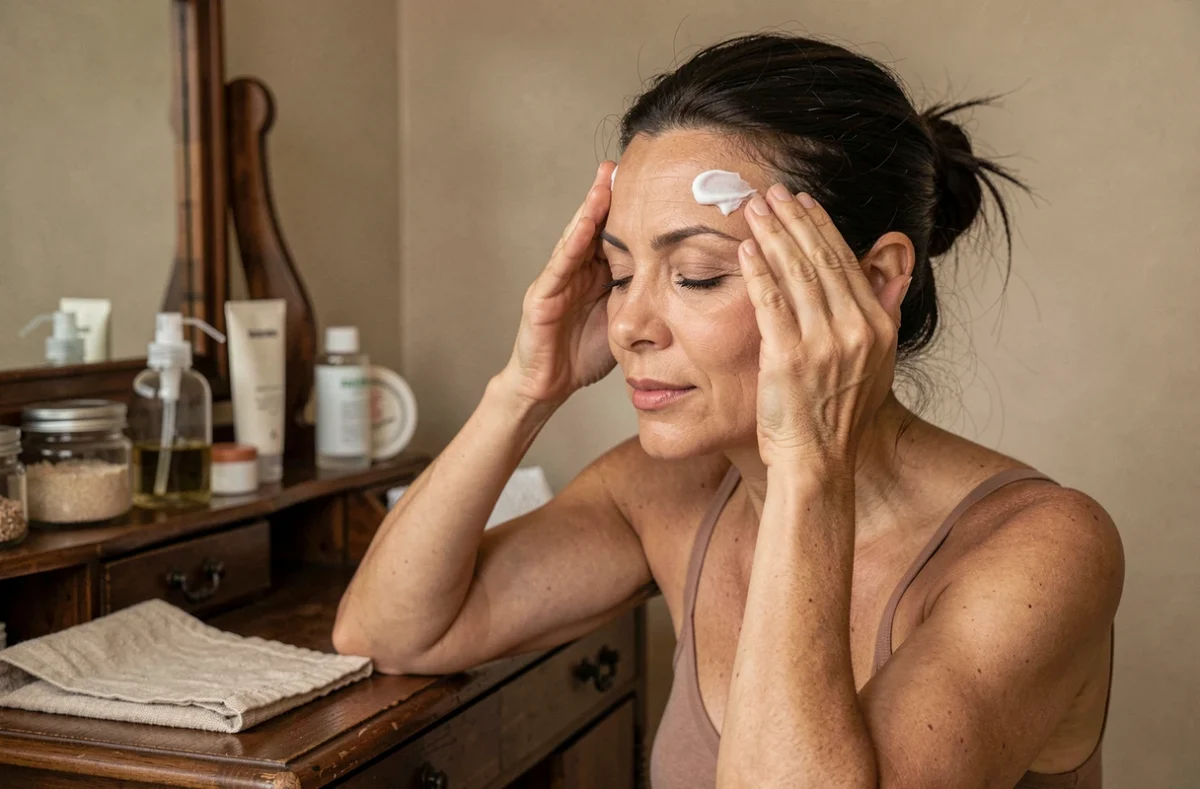
Skincare routine too long? The three steps to prioritize
A recent review brings an effective routine back to basics: gentle cleansing, moisturizing and sun protection. This trio is enough to maintain the skin barrier, prevent photoaging and create the right conditions for a naturally radiant complexion.
Gentle facial cleansing without stripping the skin
An oil-based or micellar cleanser, used morning and evening, removes oxidized sebum and residue without disrupting the skin’s hydrolipidic film. Harsh sulfate surfactants cause transepidermal water loss that dulls the complexion within days.
Double cleansing at night is still useful only if you wear water-resistant sunscreen or full-coverage makeup. Otherwise, one cleanse is enough.
Moisturizer suited to your skin type
Moisturizer seals water into the epidermis. For oily skin, a hyaluronic acid gel texture avoids overloading the skin. For dry skin, an emulsion rich in ceramides and fatty acids restores the intercellular cohesion of the stratum corneum.
Texture matters just as much as the ingredient list. A moisturizer that’s too occlusive for combination skin can cause comedones that undermine the radiance you’re looking for.
Daily sun protection, not just in summer
Sunscreen is an everyday skincare essential, not just a vacation product. UVA rays pass through clouds and windows. They break down collagen, stimulate melanin production and cause dark spots that disrupt an even complexion.
SPF 30 or higher, applied as the final step in your skincare routine, protects your skin’s radiance over the long term. It offers the best value for money of any step in a facial skincare routine.
When to add a serum or targeted active without risking irritation
Using multiple potent active ingredients increases the risk of irritation. The rule is to introduce just one targeted active at a time for at least three weeks before adding another. This gives you time to distinguish an adjustment reaction from a genuine intolerance.
Combinations to avoid on the same night:
- Retinol and exfoliating acids (AHA, BHA): this combination weakens the skin barrier and causes redness, especially on sensitive facial skin
- Low-pH vitamin C and high-concentration niacinamide: each ingredient may be less effective when the pH levels are incompatible, although the risk of skin irritation remains moderate
- Layering several chemical exfoliants (a glycolic peel followed by a salicylic serum): the resulting peeling temporarily destroys the radiance you’re trying to achieve
A well-chosen serum applied to slightly damp skin after cleansing penetrates better than a cocktail of three layered products. Residual moisture on the skin helps water-soluble active ingredients spread.

Budget and time: simplify your beauty routine without losing radiance
An eight-step routine is expensive and time-consuming. The problem isn’t just financial: every additional product brings a risk of interactions or overloading the skin.
Here’s how to prioritize when you’re short on time or money:
- Keep the three essential steps (cleansing, moisturizing and sun protection) and remove everything else for a month to see how your skin responds
- Reintroduce one targeted product at a time, choosing the one that addresses your most visible concern (dark spots, uneven texture or localized dehydration)
- Choose multifunctional products: a moisturizer with built-in SPF in the morning replaces two steps
- Save potent active ingredients (retinol, acids) for the evening, alternating them rather than layering them
Skin that gets three well-tolerated products looks more radiant than skin irritated by seven. Simplifying isn’t a compromise; it’s often the most effective way to reveal a luminous, balanced complexion.
The true measure of a successful skincare routine isn’t the number of steps. It’s the absence of irritation, consistent hydration throughout the day and a smooth skin texture to the touch. If your skin meets all three criteria with a cleanser, moisturizer and sunscreen, everything else is optional.