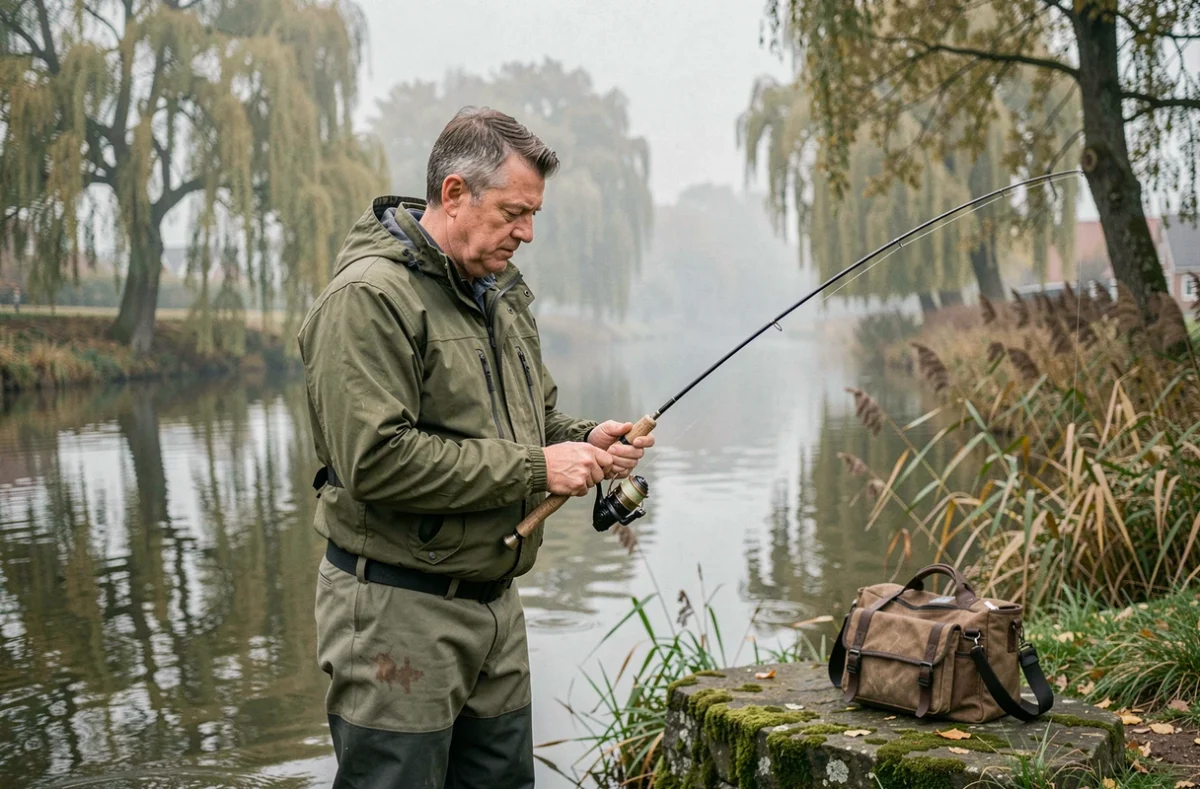
Preparing for a fishing trip in Belgium is not just about sliding a rod and a bucket into the trunk. Between the specific regulatory requirements in Wallonia, restrictions related to heatwaves, and fish handling regulations, the choice of equipment depends as much on the terrain as on the legal framework. Here are the essential gear that makes a difference on Belgian waters.
Permits and authorizations: administrative gear before fishing gear
Before thinking about rods or reels, the first piece of equipment to check is the permit. In Wallonia, the regional permit is not always sufficient. On non-navigable waterways, it is often necessary to add a card issued by the local fishing society that holds the fishing rights.
This society can also close a fishing area if conditions are unfavorable, for example during extreme heat. Checking the exact status of your fishing area before each outing will save you an unnecessary trip, or even a fine.
In Flanders, the permit system works differently, with its own categories and rights. Regardless of which side of the linguistic border you are on, always carry your documents with you: regional permit, local society card if applicable, and an ID. Keeping everything in a waterproof pouch is a simple reflex that avoids many hassles by the water.
To find suitable equipment for Belgian waters, specialized stores like Angel Sport offer a catalog focused on the techniques practiced in the region.
Rod, reel, and line: adapting the setup to Belgian waters
Belgian waterways offer very varied profiles: fast rivers in the Ardennes, calm canals in Flanders, private ponds everywhere. The choice of rod directly depends on the type of fishing targeted.
Still fishing in ponds or canals
A telescopic rod of four to six meters covers most situations in calm water. No reel here: the line is directly attached to the tip. This simple setup remains the most accessible for beginners.
Pair it with a fine nylon line (around 16/100), a light float, and barbless hooks. The barbless hook facilitates quick unhooking, which directly aligns with official recommendations on fish handling.
Spin fishing in rivers
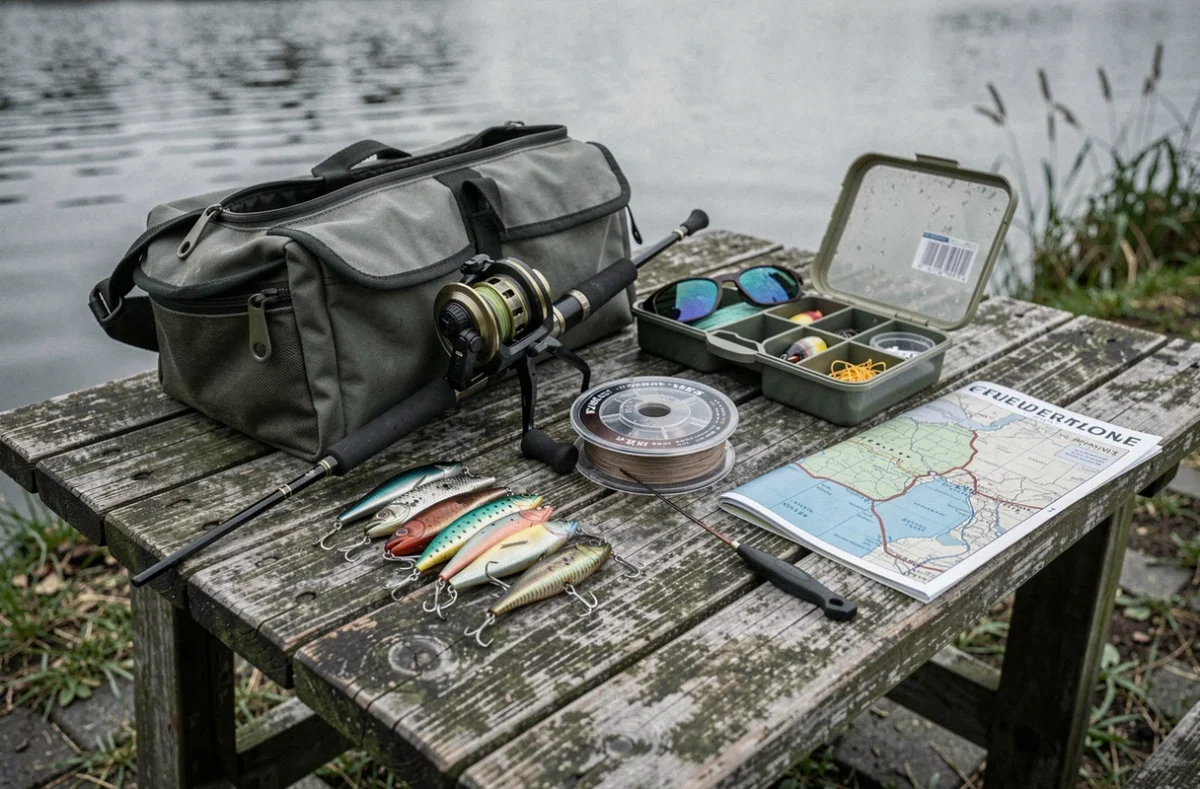
To explore an Ardennes river in search of trout, a short spinning rod with a modest-sized reel does the job. Bring several lures in different colors: the stained water of forest rivers and the clear water of limestone areas require different shades.
- Natural lures (brown, green tones) for stained waters or after rain
- Light or silver lures for bright days in clear water
- Surface lures for cluttered spots where fish hunt near the banks
The choice of lure color is as important as its shape. Bringing three or four models covering these situations is more than enough for a day.
Catch and release equipment: a Belgian reflex, not a secondary accessory
Have you noticed that Walloon recommendations emphasize fish handling? This is not trivial. Wet your hands before touching the fish to protect its mucus, a layer that defends it against infections.
Beyond this simple gesture, certain accessories become really useful:
- A disgorger or long-nosed pliers to remove the hook without injuring the fish, ideally while keeping it in the water
- A fine-mesh, knotless net, less aggressive for scales and fins
- A damp reception mat if you are fishing for carp or any large fish, to avoid injuries on the ground
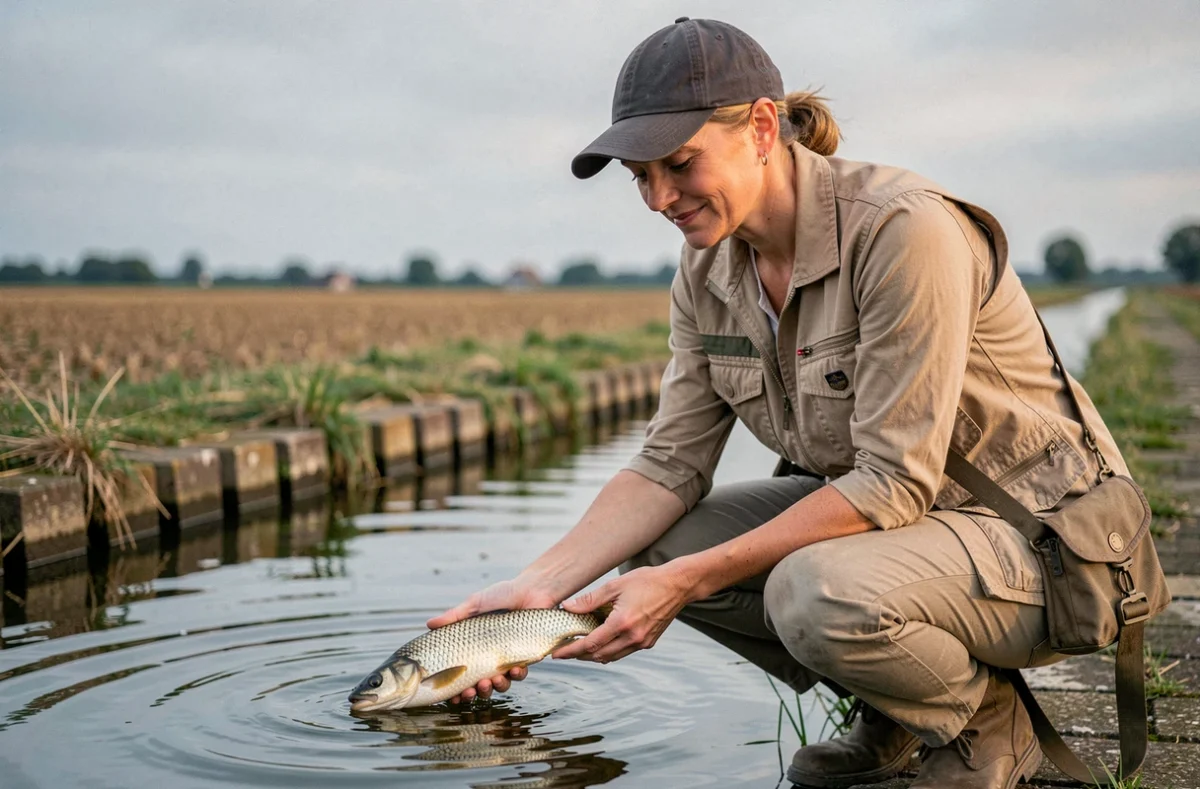
Unhooking the fish in the water significantly reduces stress and improves its chances of survival. For species subject to mandatory catch and release, these precautions are not optional.
Before releasing a fish fatigued by the fight, hold it facing upstream for a few seconds. This reoxygenation through the gills allows it to swim away in good condition.
Weather restrictions and digital equipment: anticipating area closures
Heatwaves can lead to a temporary fishing ban in Wallonia. When water temperatures rise too high, thermal stress weakens fish to the point that even a catch followed by a release can be fatal.
Checking local restrictions before each outing is as useful as bringing your rod. The Environnement Wallonie website publishes updates in case of temporary closures. Bookmarking this page on your phone takes a few seconds and can save you a round trip.
A smartphone with mobile connectivity then becomes a real fishing tool. It can be used to check bans, consult hourly weather, and monitor river water levels. Consider bringing a power bank if you are going out for the day: network coverage in the Ardennes is uneven, and searching for a signal quickly drains the battery.
Comfort and safety by the water in Belgium
The Belgian climate changes quickly. A foggy morning by the Meuse can turn into a sunny afternoon, followed by a sudden downpour. Layering several breathable layers remains the best clothing strategy.
Boots or waders suitable for the season complete the outfit. In shallow rivers, lightweight waders allow you to position yourself directly in the current to reach spots inaccessible from the bank. In ponds, classic boots are sufficient.
A low folding chair, a bucket for bait, and a small waterproof bag for documents and your phone round out the list. Everything else is a matter of personal comfort, not necessity.
The success of a fishing trip in Belgium depends less on the amount of equipment than on its relevance to the chosen location. Checking your permits, adapting your setup to the type of water, and planning for proper fish handling: these three aspects cover the gap between a frustrating outing and a productive day.