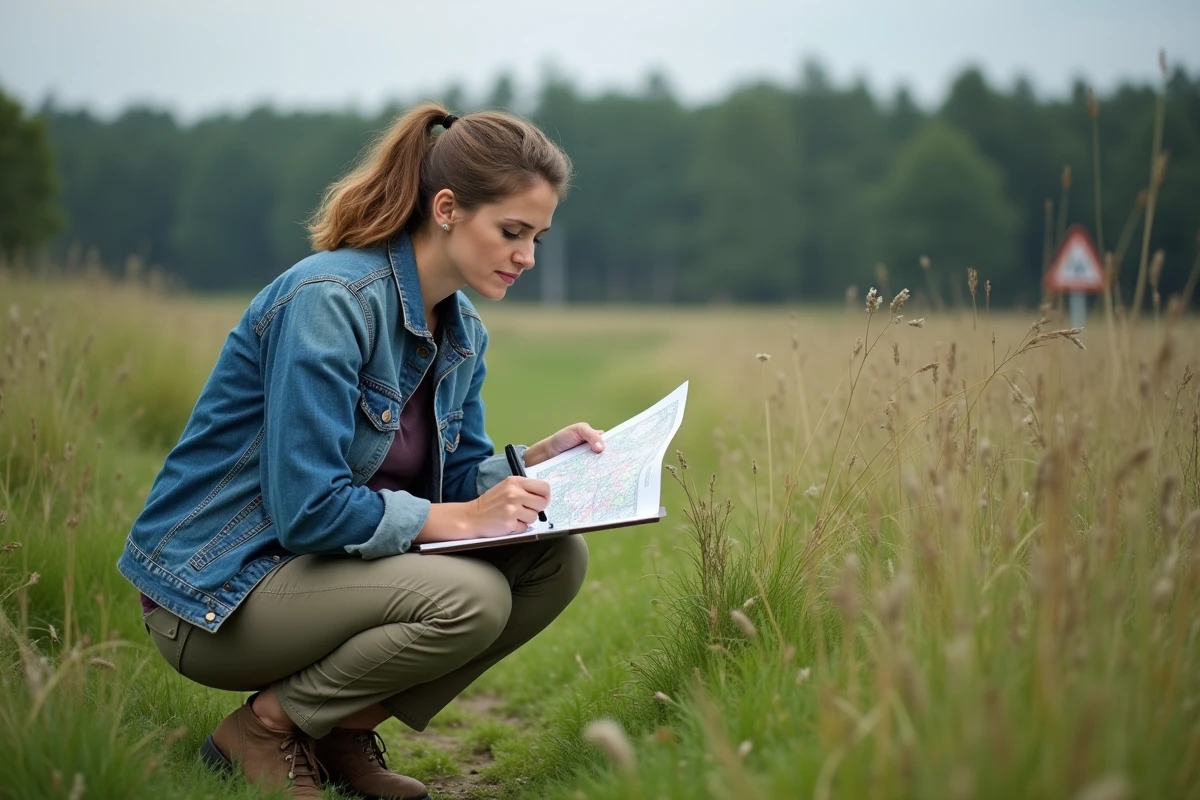
Nothing formally prohibits a plot classified as a natural area from hosting agricultural activity, but the door is never wide open. Between the lines of the local urban planning document, each municipality deploys its own rules, sometimes with pinpoint precision. A piece of land can remain fiercely unbuildable while tolerating, in homeopathic doses, some crops or operations, provided one follows a true regulatory obstacle course.
In practice, it is difficult to ignore the marked difference between professional agriculture and the simple Sunday vegetable garden. This distinction, often etched in stone in urban planning documents, sometimes reserves funny surprises: a shared garden may be tolerated, while a semi-permanent greenhouse may not. Beware of violations, as forced restoration, accompanied by criminal prosecution, is no myth.
Natural area: what this classification really means for your land
When mentioning a natural area (zone N), we refer to a space where biodiversity prevails, meticulously managed by the Local Urban Planning Plan (PLU) of the municipality. This precise document lists, plot by plot, everything that is allowed or prohibited. The first point to remember: the construction of buildings remains blocked, unless it directly serves an agricultural or forestry operation and is truly indispensable.
The classification protects the land from artificialization and aims to preserve environments deemed remarkable: wetlands, ZNIEFF (natural zone of ecological, faunistic, and floristic interest), Natura 2000 networks. Sometimes, the PLU goes further and segments the zone N into sub-sectors (Na, Nh, Nf…) to better align with local issues: forests, meadows, marshes, or pastures do not all have the same specifications.
Over time, other regulatory layers overlap: urban planning code, national urban planning regulations (RNU), and, depending on the territories, the Alur law. Some plots are also subject to easements or protections that lock in even the most discreet interventions.
Before embarking on an agricultural project, visiting the town hall is essential. To explore all the details regarding feasibility, the article can you cultivate on a natural land provides a comprehensive overview. The rules sometimes change from one plot to another, or depending on the type of project considered. Nothing is left to chance: the collective interest comes first.
What crops are allowed and under what conditions can they be practiced?
The regulations clearly mark the boundary between agricultural activity and other land uses. In a natural area, it remains possible to cultivate, but never without oversight. The idea is not to open the door to any experimentation, but to welcome, always under strict conditions, productions that do not betray the site’s balance.
Only agricultural and forestry activities receive the green light, provided they respect the ecosystem and do not change the natural vocation of the soils. Professionals can dedicate themselves to the cultivation of cereals, fodder, legumes… always within the limits set by the PLU. Projects involving permaculture, agroforestry, or organic farming generally align with the spirit of zone N, as long as they are modest in terms of development.
Some small developments remain feasible if they are light and removable: a mobile greenhouse, a shelter for equipment, nothing permanent. That said, a prior declaration of work is often required, and the opinion of the departmental commission is never given lightly.
To summarize the framework defined by the PLU, here is the list of concerned uses:
- Prohibited: no question of installing a dwelling, expanding a building, or erecting a fixed structure unrelated to agricultural or forestry operations.
- Subject to authorization: ecotourism activities, the installation of removable accommodations… Applications almost always require an impact study and formal approval from the municipality.
Sector by sector, the PLU refines the margins of maneuver. In the sub-sectors (Na, Nf, Nh…), the rules differ closely according to the reality of the land. To develop a profitable project, prioritizing sustainable agriculture, direct sales, or nature tourism will often prove simpler. Engaging with the town hall, urban planning, or the agricultural chamber avoids many pitfalls right from the project conception.
Points of caution before buying or operating land in a natural area
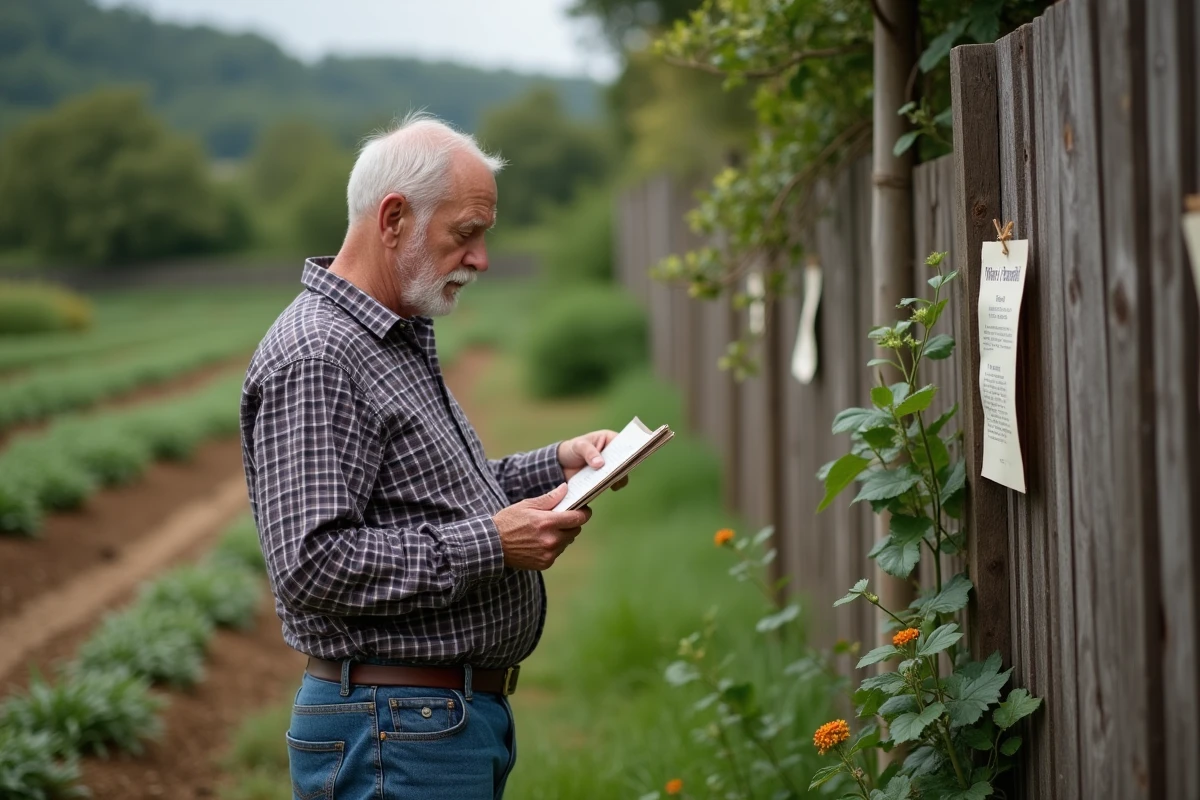
The first reflex before considering a purchase or operation: check the exact classification of the plot using the PLU. This document, easily accessible at the town hall, details the modalities of land use, any easements, or the presence of sub-zones (Nh, Na, Nf, etc.). A plot may accumulate several constraints, exacerbated by the Alur law, Natura 2000, or a ZNIEFF classification.
Before any steps, take the time to inform yourself and carry out some essential checks:
- Request a urban planning certificate before signing or starting an operation. It clarifies the rights attached to the plot and all the restrictions in force. While it does not promise the absence of surprises, it already limits the damage.
- Visit the urban planning service of the town hall. These contacts will explain the administrative process, highlight necessary studies, or contacts to reach out to in case of specific needs.
Any modification, even minimal, must be subject to a prior declaration of work or a building permit. Ignoring this step exposes one to sanctions that can be severe: fines, demolitions, prosecutions. Managing water carefully, preserving soil fertility, planting local species: all practices that favor project acceptance and make possible public aid accessible. These funds, granted conditionally, encourage exemplary management of natural resources.
In a natural area, each project is shaped through a negotiation between personal convictions, collective aspirations, and legal requirements. Between caution and boldness, it is a balance to be invented, plot by plot.