Buying a pair of running shoes without knowing your stride, choosing a bike that’s too big, or wearing clothing that irritates after twenty minutes of effort: these mistakes can be costly and quickly discourage you. Choosing the right sports equipment relies on a few concrete criteria, often overlooked at the time of purchase.
Materials and construction: what differentiates good sports equipment from bad
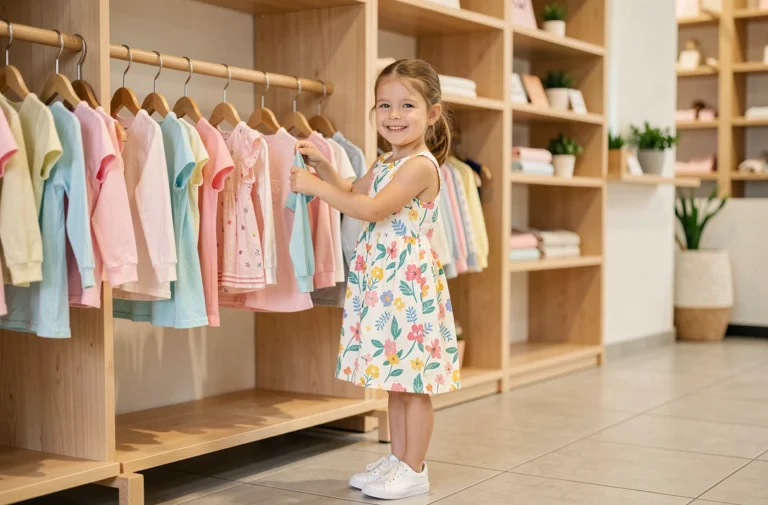
Have you ever noticed that a technical t-shirt dries in a few minutes while a cotton t-shirt stays wet for an hour? The material used directly determines the comfort and lifespan of the garment.
A quality sports fabric wicks away sweat thanks to synthetic fibers (polyester, polyamide) or blends with merino wool. The choice depends on the discipline. For running, lightweight and quick-drying materials are preferred. For winter hiking, moisture management takes precedence over lightweight.
Beyond the material, examine the seams. Flat seams reduce friction during prolonged efforts. Reinforcements in high-wear areas (knees, elbows, shoulders) extend the lifespan by several seasons. These details may not be visible in photos on a retail site, but they make all the difference in use.
On the regulatory side, France is advancing in the environmental labeling of textiles. This assessment takes into account materials, manufacturing, transport, maintenance, end-of-life, and even microfiber emissions. For consumers, this means it will soon be easier to compare the actual durability of two products before purchase.
If you’re looking for all the info on yadusportcom, you’ll find useful benchmarks to compare ranges based on your practice.
Sports shoes: the choice that protects your joints
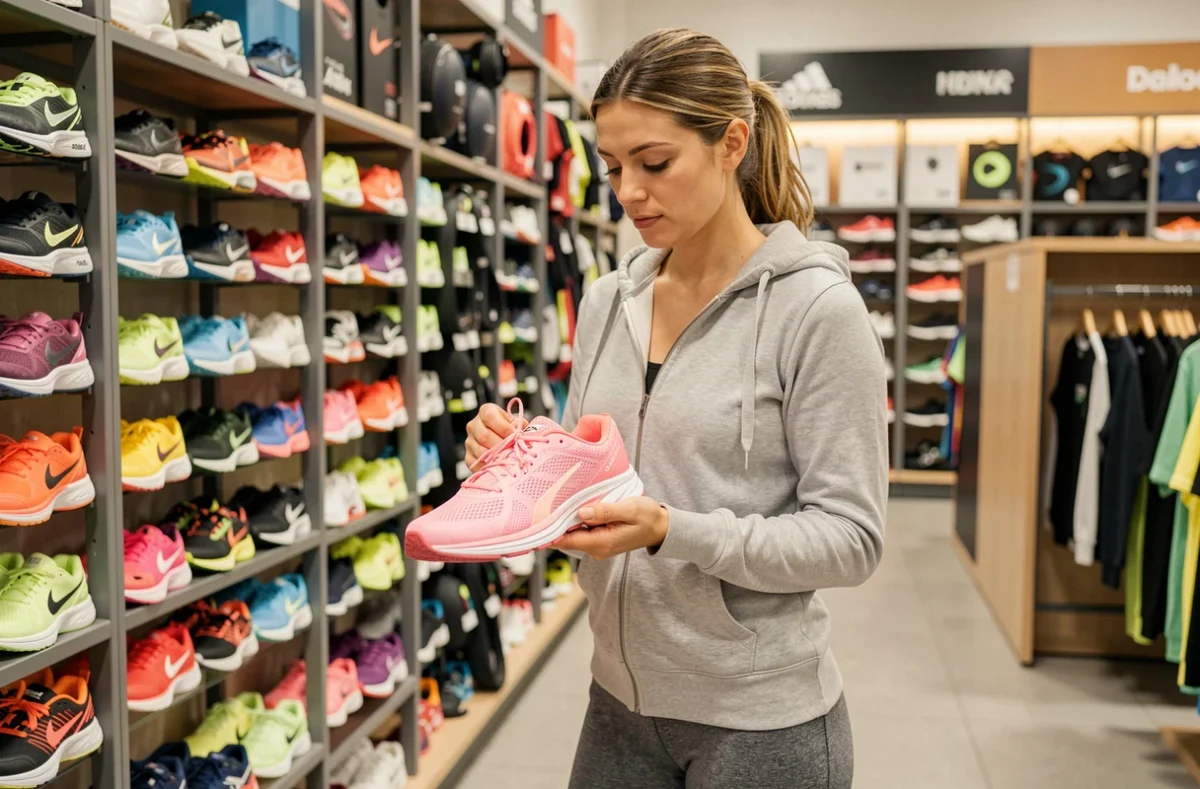
Shoes are the area where mistakes are least forgiving. A poor pair of running shoes can cause knee pain, blisters, or shin splints in just a few weeks.
Size alone is not enough to choose sports shoes. Three criteria matter more:
- The type of stride (pronation, supination, or neutral), which can be analyzed for free in some specialized stores.
- The terrain of practice: a trail sole with lugs is nothing like a smooth road sole, even if they are the same size and cushioning.
- The training frequency: a regular runner needs denser cushioning than an occasional jogger, as the cumulative load on the joints increases quickly.
Always try on your shoes at the end of the day when your foot is slightly swollen. Keep half a centimeter in front of your toes. And replace them as soon as the midsole (the part you can’t see) compresses, even if the upper looks intact.
Safety equipment: helmet, protections, and standards to check
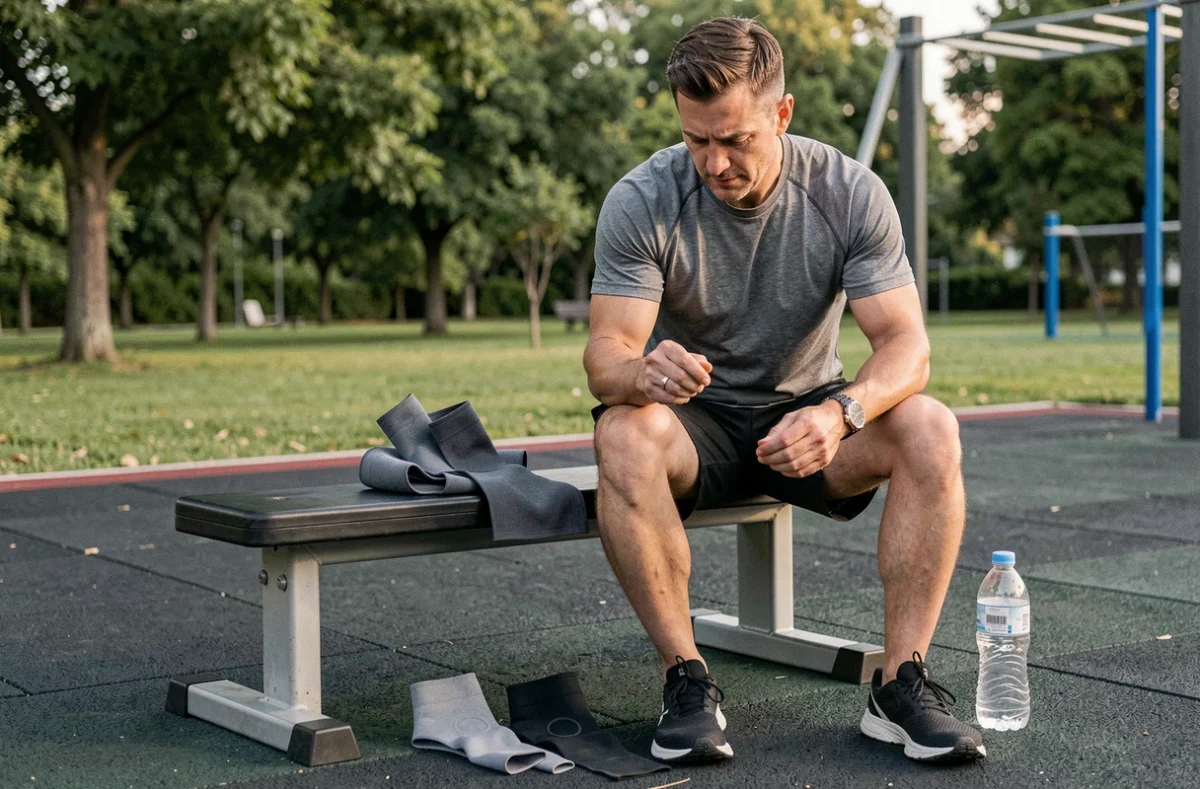
Why is this topic often overlooked? Because protective gear is not as enjoyable to buy as a racket or jersey. However, it remains the first investment to validate.
A bike or ski helmet only protects properly once. After an impact, even without visible cracks, the internal structure made of expanded polystyrene compresses and loses its shock-absorbing capacity. Replacing it after any impact is a non-negotiable rule.
For contact or sliding sports, check for the CE marking on each protection. This marking guarantees compliance with a European standard for shock resistance. A football shin guard, a boxing chest protector, or roller knee pads without this marking offer no real guarantee.
Personal protective equipment and lifespan
Personal protective equipment (PPE) has a limited lifespan, even without intensive use. The straps of a climbing harness degrade under UV and moisture exposure. The foam in a helmet compresses over time. Respecting the expiration date indicated by the manufacturer is not marketing; it’s a matter of mechanical safety.
Buying new, second-hand, or repairing: REP system and reasoned choices
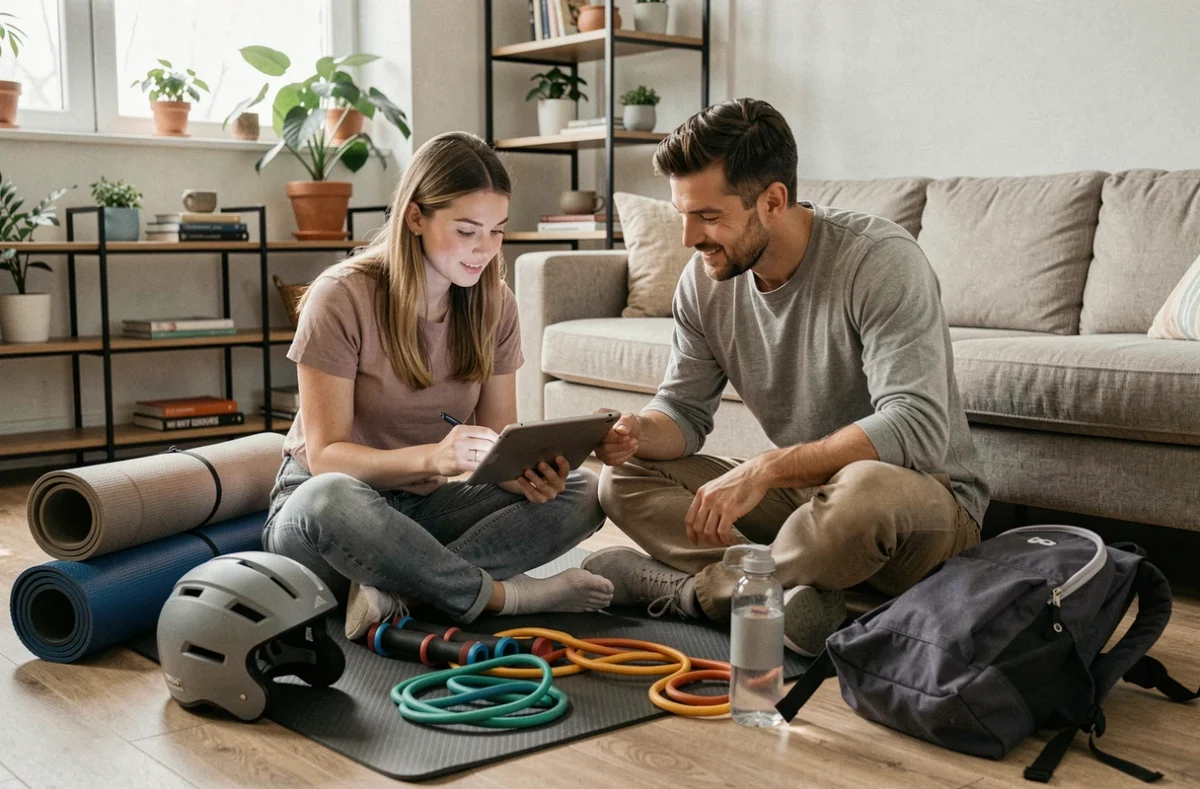
Since January 1, 2022, manufacturers and importers of sports articles must finance the collection, reuse, repair, and recycling of many equipment (bikes, rackets, skis, fitness equipment, trampolines). This extended producer responsibility (REP) system changes the game for consumers.
In practice, favor brands that offer spare parts and a take-back service. Since January 1, 2023, some stores and distance sellers must even organize the free take-back of your used equipment, depending on their commercial surface area or their turnover in the relevant category.
This criterion can weigh in the comparison between a new purchase, a repair, and second-hand equipment. A second-hand bike from a manufacturer that still provides spare parts retains real usability. A fitness device from a brand that has disappeared becomes waste at the first breakdown.
Maintaining for longevity
Regular maintenance remains the most underestimated lever. Washing a technical fabric at low temperature, re-waterproofing a hiking jacket each season, lubricating a bike chain every two weeks: these simple actions double the useful life of the equipment.
Choosing your sports equipment is not just about comparing prices. The right reflex, regardless of your level of practice, is to check the material, adjust the size to your actual morphology, verify safety standards, and anticipate the product’s lifespan. A thoughtful purchase costs less than a poor purchase replaced six months later.