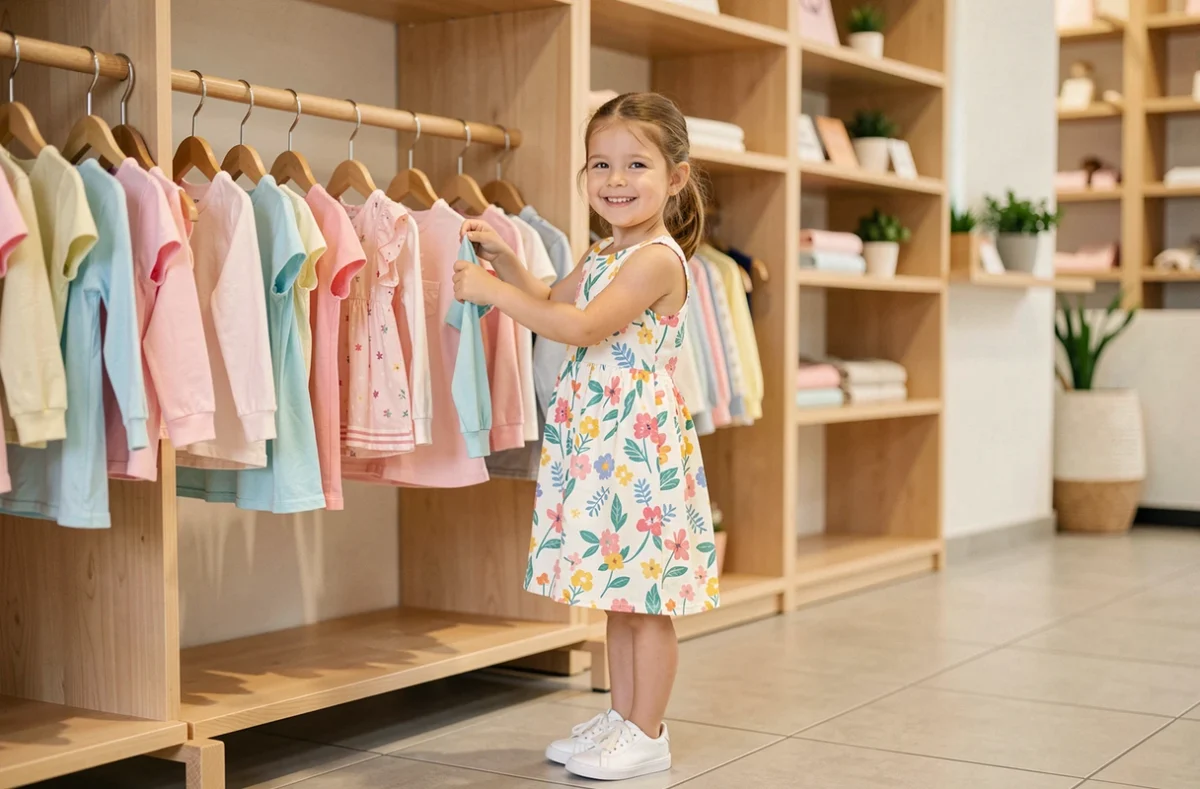
A child who grows two sizes in six months requires renewing their wardrobe several times a year. Shopping online avoids the hectic fitting room sessions in stores, but the proliferation of children’s clothing shops on the web makes sorting through them complicated. Between generalist brands, specialized baby brands, and independent shops, the selection criteria differ significantly.
Textile safety for children: what the product sheet doesn’t always mention
Before comparing prices or the style of a collection, it’s wise to check a point that most online shop selections overlook: the chemical and mechanical safety of the clothing. Recent recalls have affected well-known brands like Kiabi and Okaïdi due to PFAS contamination on a baby pilot suit and a windbreaker.
These substances, used for their water-repellent properties, are not visible to the naked eye. The Oeko-Tex Standard 100 certification remains the most reliable benchmark to verify that a finished textile has been tested for harmful substances. A commercial mention such as “natural” or “responsible” does not offer the same verifiable guarantee.
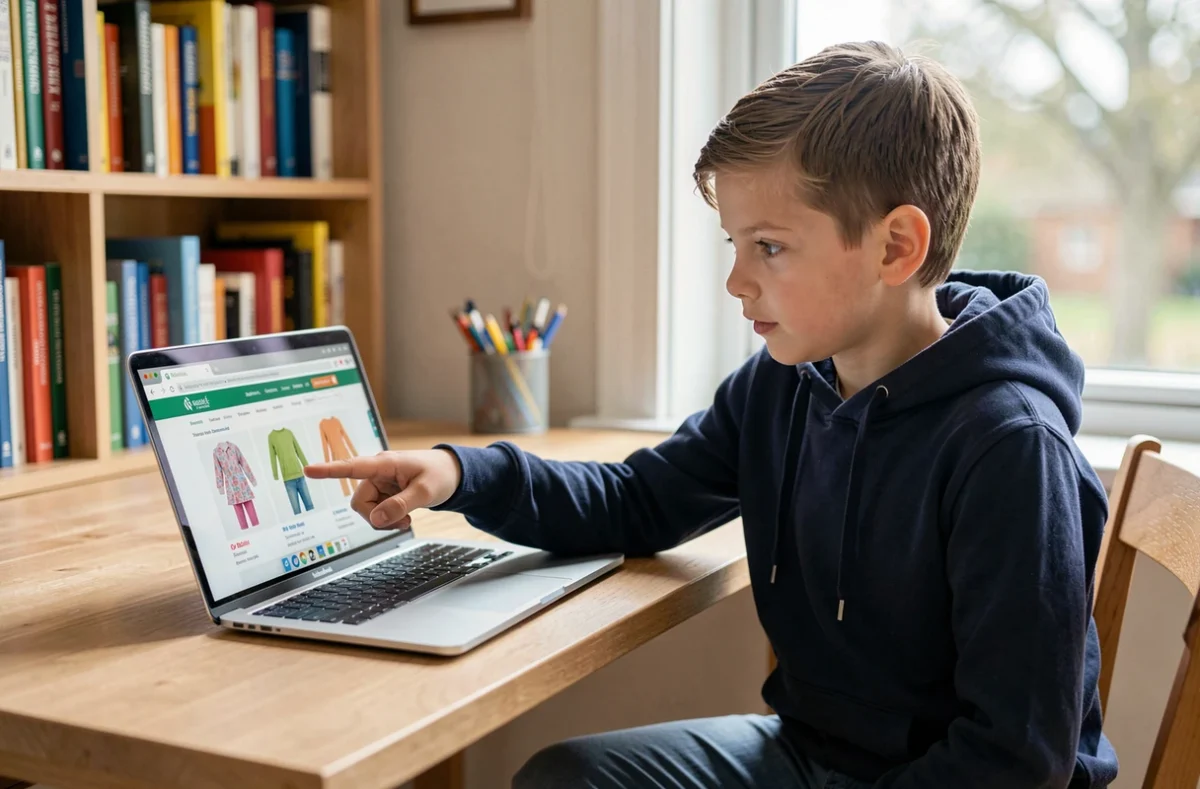
The NF EN 14682 standard, on the other hand, concerns a mechanical risk: drawstrings and functional ties around the hood and neck, which are particularly dangerous for young children. When ordering from an online shop, it’s essential to consult the detailed photos and technical description to spot these elements. Serious shops explicitly mention compliance with this standard or specify the absence of drawstrings in their baby and toddler ranges.
To explore a catalog that clearly categorizes its collections by age and product type, you can discover the site moonkidsstore.be and verify the accuracy of the product sheets yourself.
Composition and materials: read the label before finalizing your cart
The comfort of children’s clothing largely depends on its composition. Cotton remains the reference material for sensitive skin, but not all cotton qualities are equal. Organic certified cotton has been grown without synthetic pesticides, reducing the risk of chemical residues coming into contact with the skin.
Checking the exact percentage of natural materials in the blend helps avoid unpleasant surprises. A t-shirt labeled “cotton” but made up of more than half polyester will not breathe the same way. On a good online shop, the product sheet details the complete composition and care instructions.
- Organic cotton or Oeko-Tex certified cotton: suitable for reactive skin, especially for baby clothes worn directly against the skin
- Linen and linen-cotton blends: lightweight and breathable for summer collections, but wrinkle easily
- Merino wool or wool treated without mulesing: ideal for winter accessories (hats, scarves), provided the label is checked
- Recycled polyester: acceptable for an outer layer (coat, windbreaker) but to be avoided as a base layer for comfort
Returns vary on this point depending on the brands, and the same percentage of cotton does not guarantee the same softness from one manufacturer to another. Touching the product being impossible online, customer reviews mentioning comfort in wear are a valuable indicator.
Size guide and return policy: the two decisive filters
The primary cause of returns on online children’s clothing shops is size error. A four-year-old may wear size 98 in a Scandinavian brand and size 104 in a French brand. Without a precise size guide, orders are placed blindly.
The best-organized shops offer a size chart with actual measurements (chest circumference, back length, waist circumference) rather than just an indicative age. A size chart based on centimeters significantly reduces the risk of returns.
Regarding return policy, the difference between shops hinges on three concrete elements:
- Return period: some brands allow about fifteen days, others a full month, giving time to try on the child
- Return shipping costs: free at major brands, often at the customer’s expense at independent shops
- Direct exchange: some shops allow ordering the correct size before even returning the item, avoiding a week of waiting
Second-hand children’s clothing online: checks to make before buying
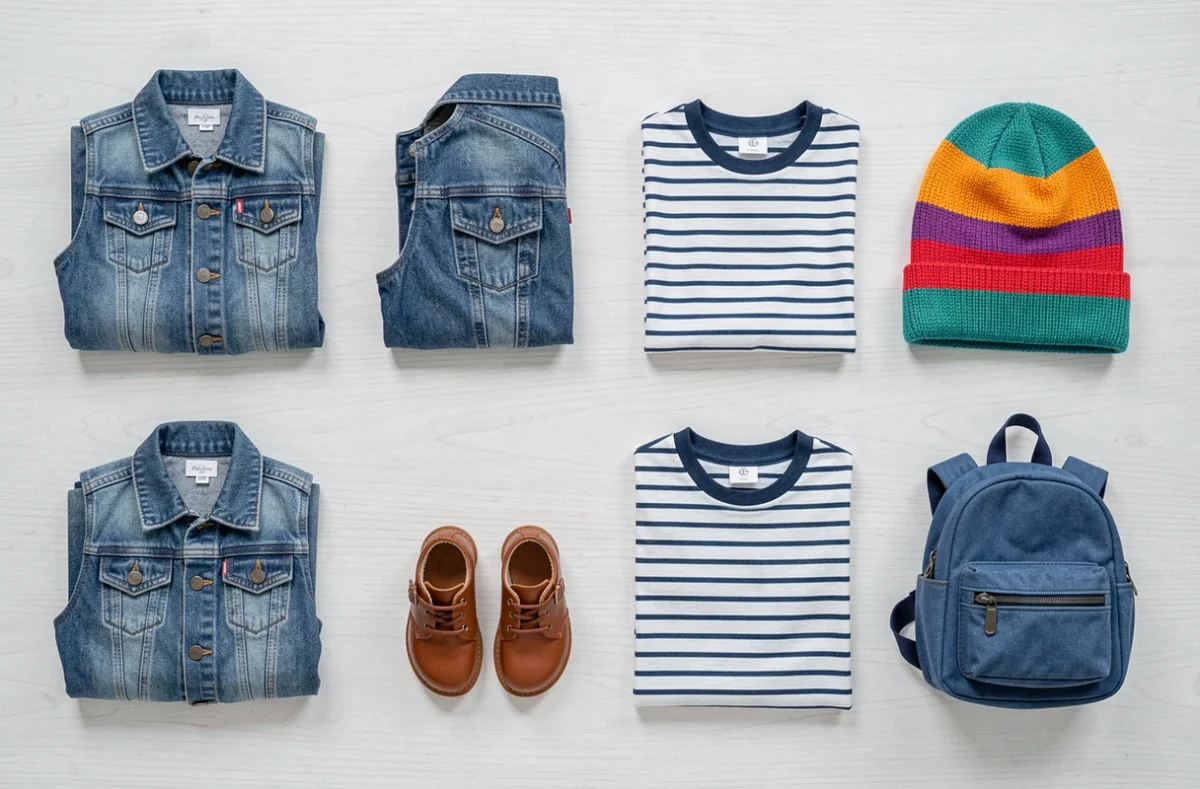
The second-hand market is booming for children’s fashion, and for good reason: a garment worn for three months by a baby is often almost new. Specialized platforms for reselling children’s clothing allow finding brand pieces at reduced prices.
Buying second-hand online requires specific checks. The composition and care label must still be legible to ensure the material and washing conditions. Buttons and snaps must be securely attached, especially on baby clothes, where a loose element poses a choking hazard.
For safety-related accessories (bike helmets, car seats), second-hand is not recommended: a fall or an invisible impact may have compromised the structure. However, everyday clothing, lightly worn shoes, and textile accessories (hats, scarves, bibs) can be passed on without issue, provided they are washed at the right temperature before first use.
The choice of an online shop to dress your children relies less on the style of the collection than on the transparency of its product sheets. Detailed composition, compliance with safety standards, size guide in centimeters, and clear return policy: these are the four points that separate a good address from a mere catalog.