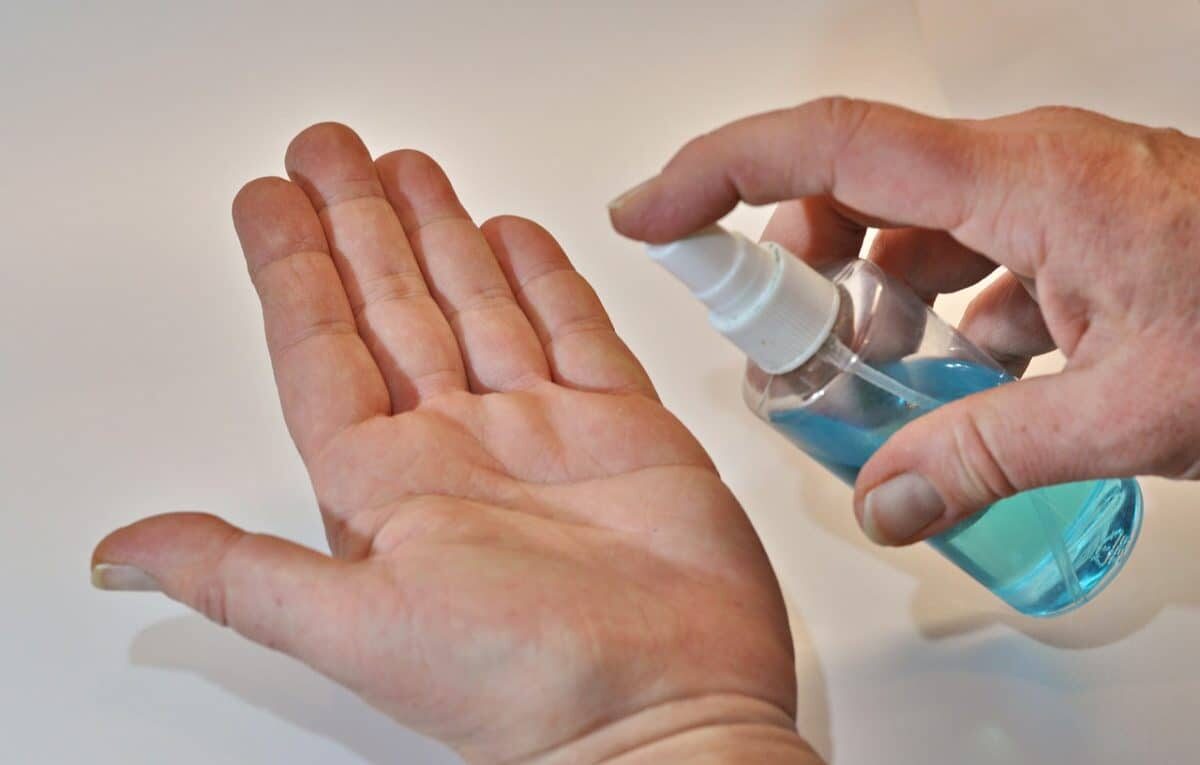
When it comes to treating a wound or injury, it is imperative to know the necessary materials to perform an appropriate dressing. Specific tools, adapted to the nature of the wound and its severity, ensure quick and complication-free healing. Whether for a small cut at home or for a more complex procedure in a medical setting, each element of the dressing kit plays a vital role. This detailed article will guide you through the various materials used for dressing, their function, and their importance.
Types of Dressings
Dressings come in several types, each designed to meet specific needs. Knowing these different types allows you to choose the most suitable dressing for the situation.
- Adhesive Dressings: They are commonly used for small cuts and scrapes. Easy to apply, they protect the wound from infections.
- Sterile Compresses: Ideal for larger or deeper wounds. They are often held in place with a bandage or adhesive tape.
- Hydrocolloid Dressings: Used for exudative wounds, they promote healing by maintaining a moist environment around the wound.
- Hydrofiber Dressings: Absorb exudates and turn into gel to promote healing.
Basic Instruments for Dressings
To perform an effective dressing, several instruments are essential. These tools ensure hygienic and precise application of dressings.
- Medical Scissors: They allow you to cut dressings and bandages to the desired size.
- Tweezers: Essential for removing debris or foreign bodies from the wound.
- Hemostatic Forceps: Used to control bleeding by pinching blood vessels.
- Sterile Gloves: Ensure hygienic handling of materials and the wound.
Solutions and Antiseptics
Disinfection of the wound is a crucial step to prevent infections. Solutions and antiseptics play a fundamental role in this process.
Saline Solution: Used to clean the wound and remove impurities. It is non-irritating and can be used on all wounds.
Medical Alcohol: Very effective for disinfecting instruments and skin surfaces. Caution, it can be irritating for open wounds.
Betadine: Iodine antiseptic solution, often used to disinfect wounds and surgical areas.
Chlorhexidine: A versatile antiseptic, ideal for superficial wounds and small cuts.
Bandages and Fixatives
Once the wound is disinfected and covered with an appropriate dressing, it is necessary to use bandages and fixatives to keep the dressing in place.
Elastic Bandages: Provide support and compression to injured areas. They are often used for sprains and strains.
Adhesive Tape: Used to secure compresses and adhesive dressings. Available in different sizes and materials to fit all situations.
Cohesive Bandages: Do not stick to the skin but adhere to themselves. Ideal for applications where additional support is needed.
Retention Nets: Flexible and stretchable, they keep dressings in place without compressing the wound.
For those who wish to deepen their knowledge about medical tools, specialized resources can be consulted via this link.
To ensure optimal healing of wounds, it is essential to master the use of different dressing materials. Each element, from adhesive dressings to antiseptic solutions, plays a crucial role in protecting and healing injuries. By choosing the appropriate tools and applying them correctly, one ensures not only the comfort of the patient but also quick and complication-free healing. A good dressing does not just cover a wound; it actively contributes to its recovery.